 In 1975–1976, Lebanon and the city of Beirut were consumed by devastating armed conflict. But whereas this empirical fact is uncontested, its historical causes and political meanings remain controversial. Sara Fregonese’s book War and the Cityfocuses on the rationalisation of the conflict and asks: Do Western descriptions of the war live up to the realities observed in Beirut? War and the City puts the spotlight on important political practices, which are the ways actors co-construct meaning in and through their own urban environments, and how those interpretations may develop differently from far-away truth claims. This said, the book also includes (exceedingly) structuralist narratives, and it raises important questions about whose perspectives (in Beirut) are listened to and heard. Furthermore, its treatments of works from related disciplines – security studies and International Relations especially – is underdeveloped if not outright crude.
Hagmann, Jonas (2022). War and the city: Urban geopolitics in Lebanon (Sara Fregonese), London, Tauris, 2020. Urban Studies 59(12): 2604-2607. PDF
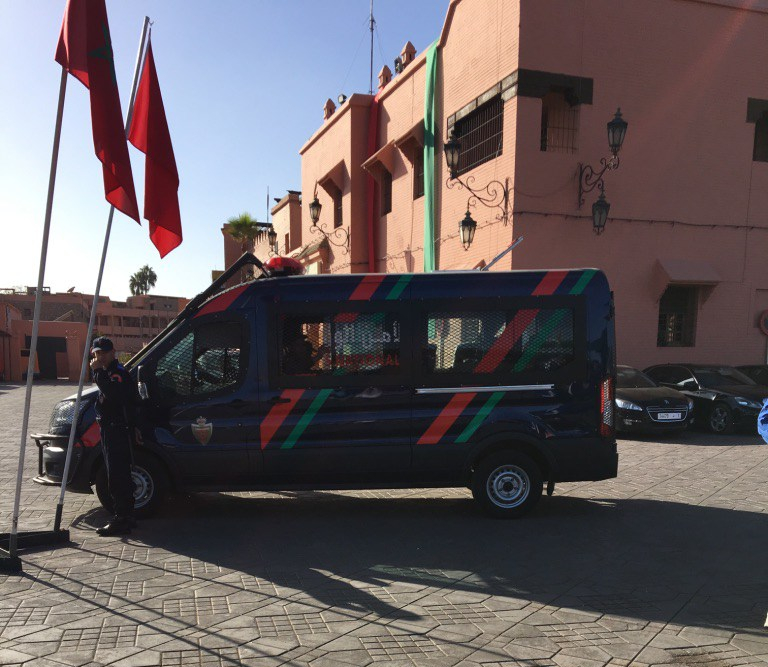
 How do urban security assemblages evolve? Scholars inspired by Deleuze’s influential Control Thesis see profound shifts in the ways urban security operates. Different to Foucault’s disciplinary logics, they argue, urban security assemblages now rely intimately on expanding casts of policing agents, digital surveillance and statistical knowledge(s). They reach beyond enclosures and national borders, and they challenge democratic politics ever more forcefully. Whether this general trajectory of security management holds true across the global cityscape is yet far from evident. Not only do most studies of contemporary control draw conclusions from European and North American cities exclusively. Many also reproduce and project abroad distinctively Eurocentric assumptions about state-society relations, governance and insecurity. This upcoming new article in Journal of Global Security Studies first foregrounds and problematizes these penchants. It then looks at the Moroccan city of Marrakech to detail how urban security assemblages may evolve in different ways, at other speeds, and following different steering logics than what is generally set out by research on control. The article concludes with a discussion of how insights offered by places such as Marrakech contribute to more robust, analytically refined and globally inclusive research on the contemporary politics of urban security.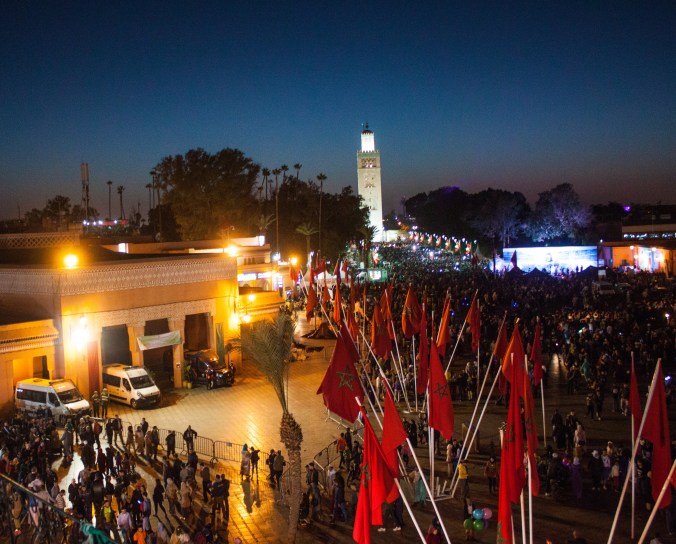



 :: Jonas Hagmann ::