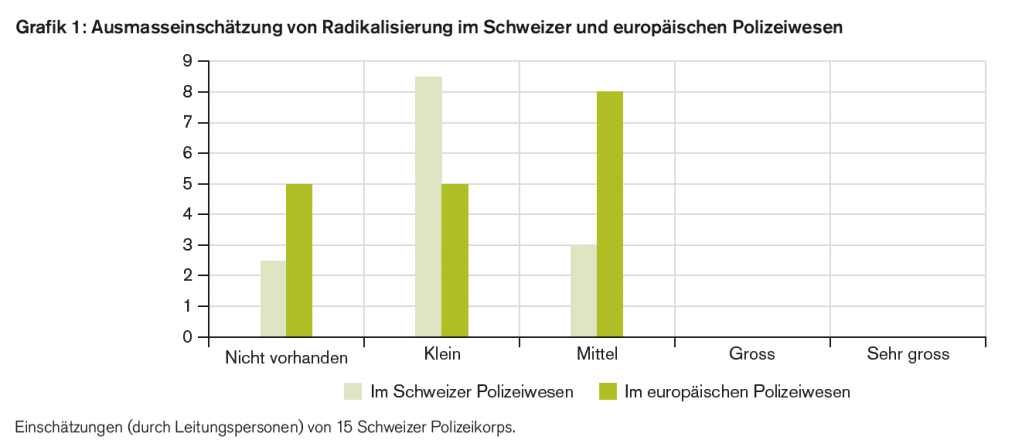
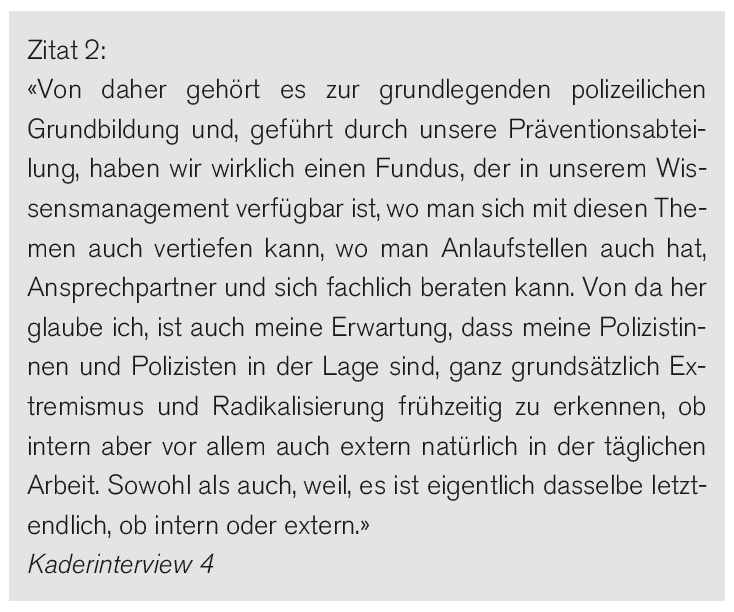
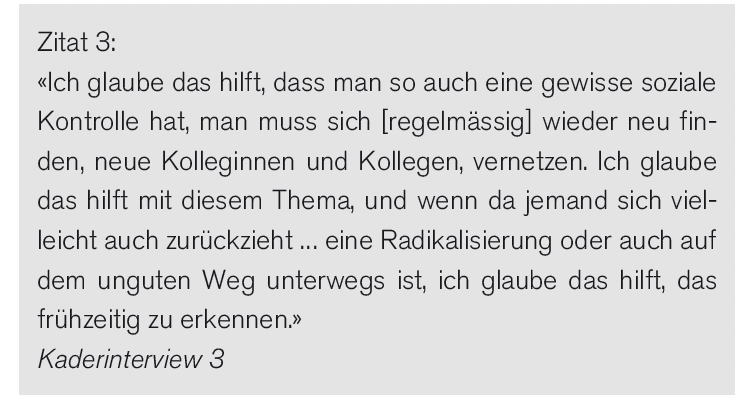
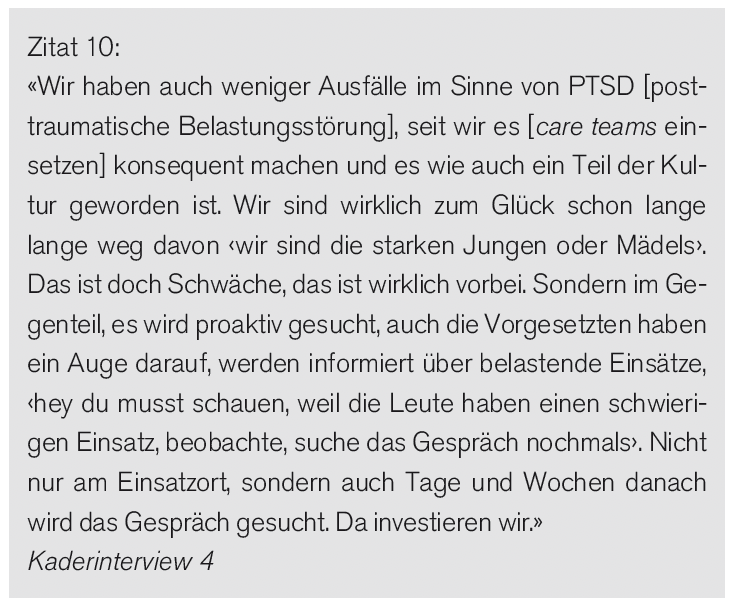
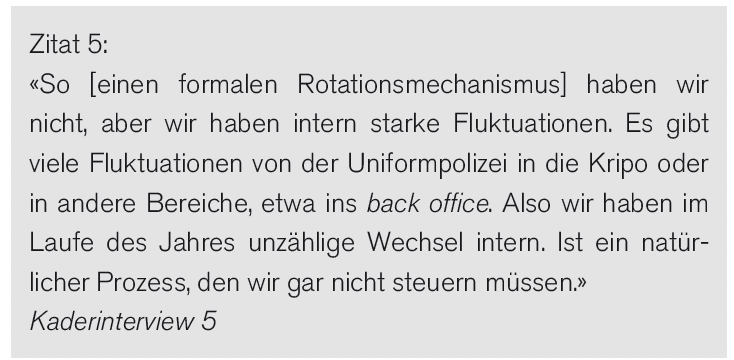
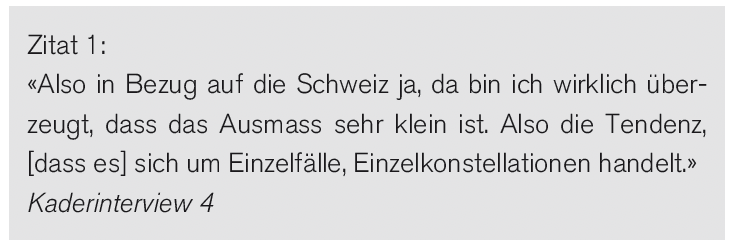
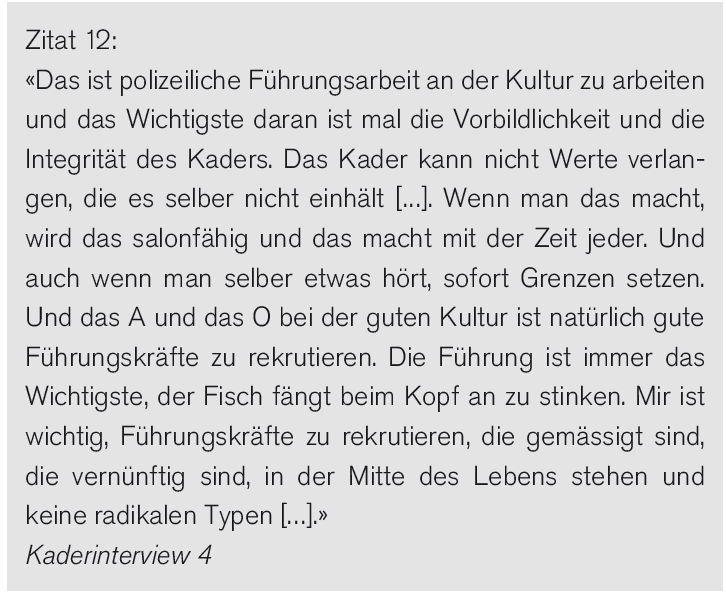
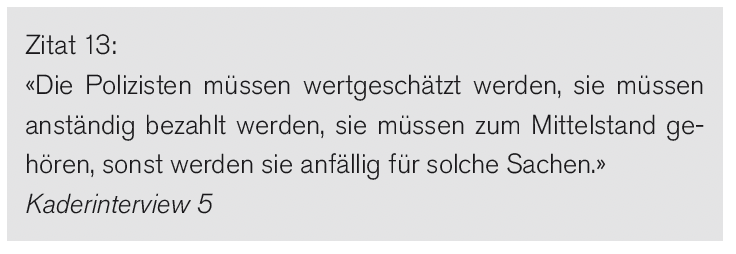
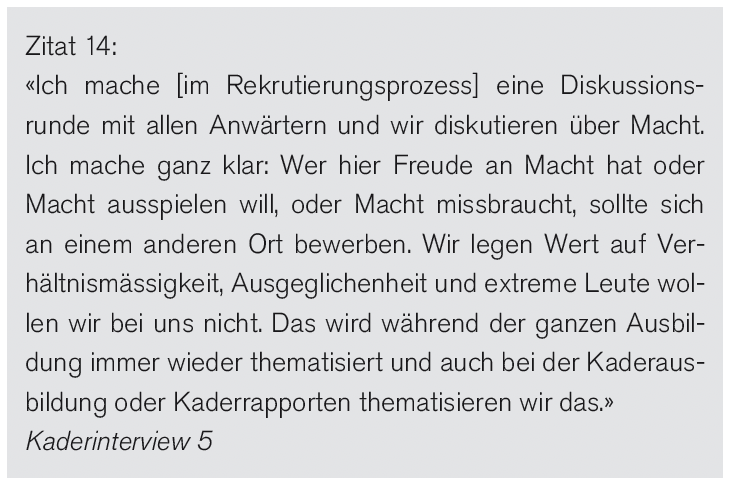
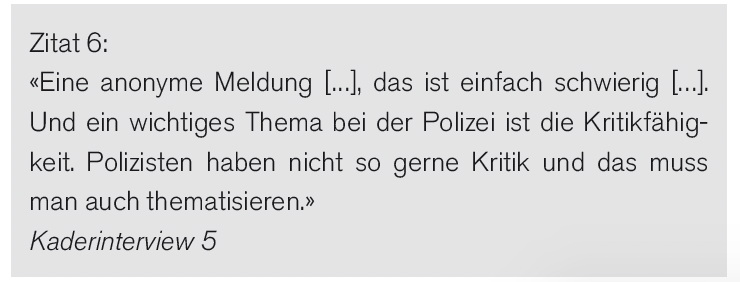
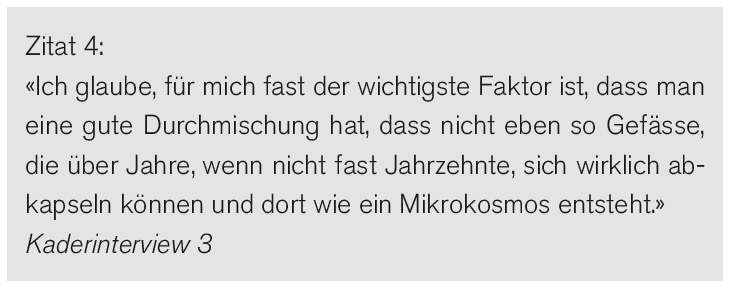
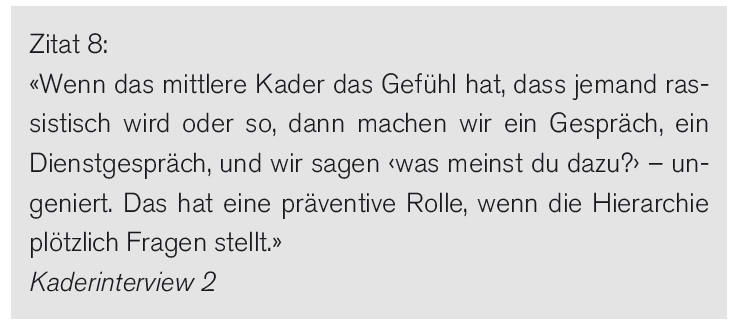
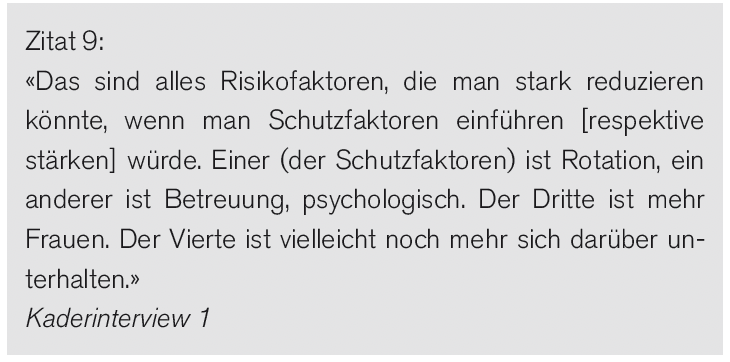
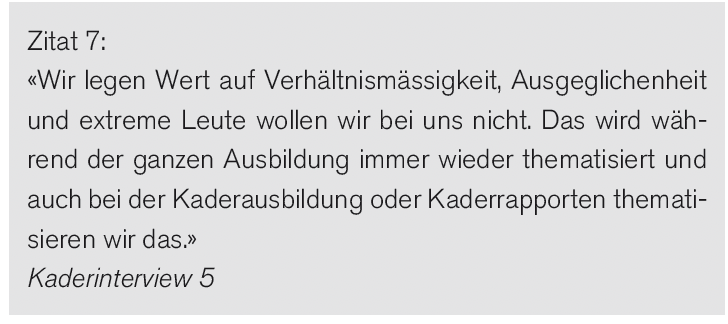
Die Erkennung, Handhabung und Vorbeugung von Radikalisierung innerhalb der Sicherheitsbehörden ist zunehmend Gegenstand der internationalen Forschung. Wie die Polizeiorganisationen die Problematik selber einordnen und handhaben ist jedoch weiterhin schlecht erschlossen. Basierend auf einer qualitativen Befragung von Leitungspersonen aus dem Schweizer Polizeiwesen gibt der Beitrag empirische Einblicke in dieses Praxiswissen. Er ergänzt den Forschungsstand mit der institutionellen Handhabung von Radikalisierungsphänomenen im Polizeibereich und formuliert daraus.
Hagmann, Jonas; Staubli, Silvia; Gaia, Elisa (2025). Radikalisierung im Schweizer Polizeiwesen: Einordnung von Leitungspersonen aus der Polizeipraxis. Neue Zeitschrift für Kriminologie und Kriminalpolitik – NKrim/NCrim. 2/2025: 48-60. PDF
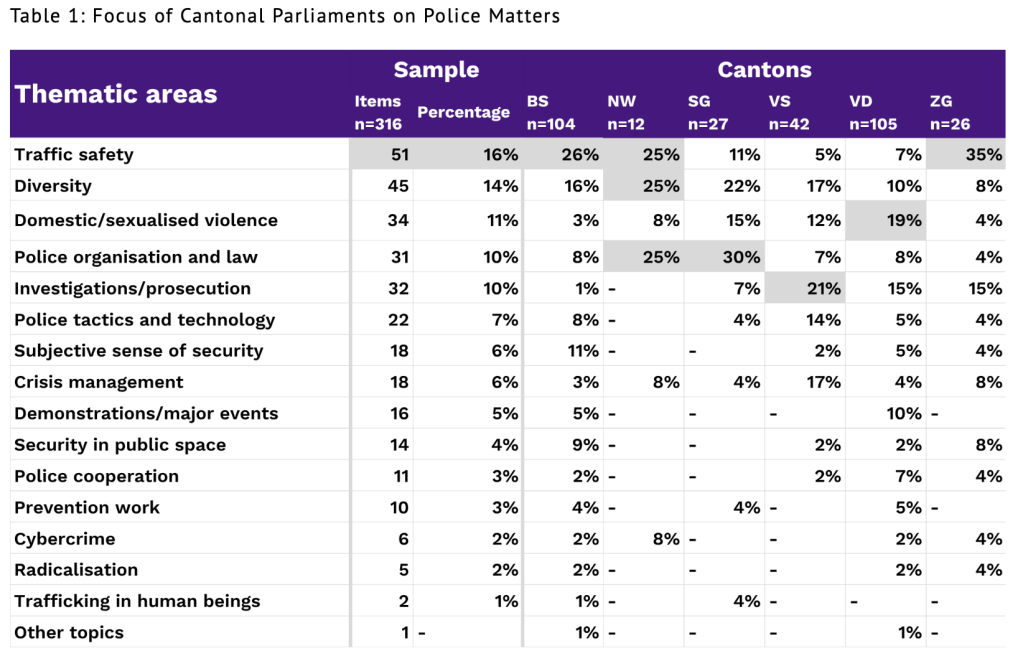
In Switzerland, the police sector is primarily a cantonal policy area – which means it is widely distributed across an uneven field of subnational entities. Also because of this, political debates surrounding policing in Switzerland are largely under-researched today. A systematic inter-cantonal understanding of how the police is a subject of political debate, for example, is still lacking. In a new snapshot analysis focusing on six cantons and one legislative year, Anna Grüninger and I shed light on how members of the cantonal parliaments engage with policing matters. The findings point to varying degrees of parliamentary activity, and a wide thematic range in their dealings with police issues — coupled with a notable reluctance to employ the most powerful parliamentary tools.
Grüninger, Anna; Hagmann, Jonas (2025). Umstrittene Polizei: Wie sich die Kantonsparlamente mit dem Polizeiwesen befassen / Comment les parlements cantonaux traitent-ils la police? / Controversial police: How the cantonal parliaments deal with policing. DeFacto. 24 September/27 October. PDF DE / PDF FR / PDF EN
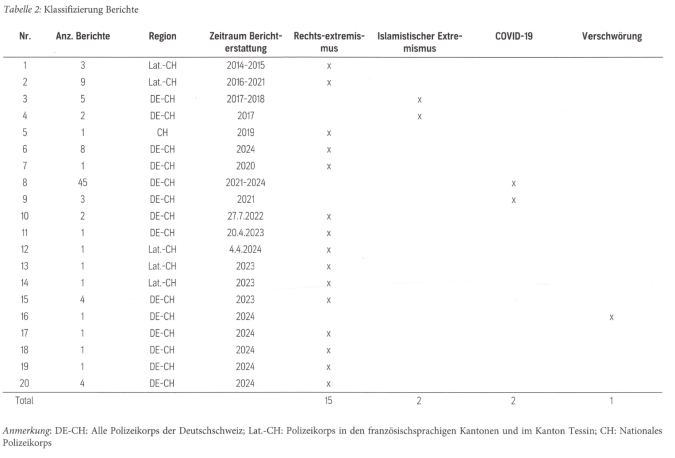
How is the public informed about cases of radicalization within Swiss police forces? A systematic analysis of all media reports published between 2010 and 2024 reveals 20 such cases for all of Switzerland, distributed across 11 individual police corps. The majority of the cases identified – i.e., on which the media reported – concern uses or public displays of extremist symbols, particularly on social media. Fifteen cases are linked to right-wing extremism, three to conspiracy theories (including COVID-19), and two to Islamist extremism. The study finds significant variation in terms of how the Swiss media reports on such cases, both in terms of quantity and depth. Some incidents receive widespread media attention, but others go largely unnoticed. Overall, press articles are dominated by agency-like reports and brief news items. In-depth journalistic investigation and contextual analysis for the benefit of the public are rare.
Staubli, Silvia; Tamm, Nina; Gaia, Elisa; Hagmann, Jonas (2025). Radikalisierung im Schweizer Polizeiwesen: Medienanalyse liefert erste Erkenntnisse. Kriminalistik 10/2025: 567-570. PDF
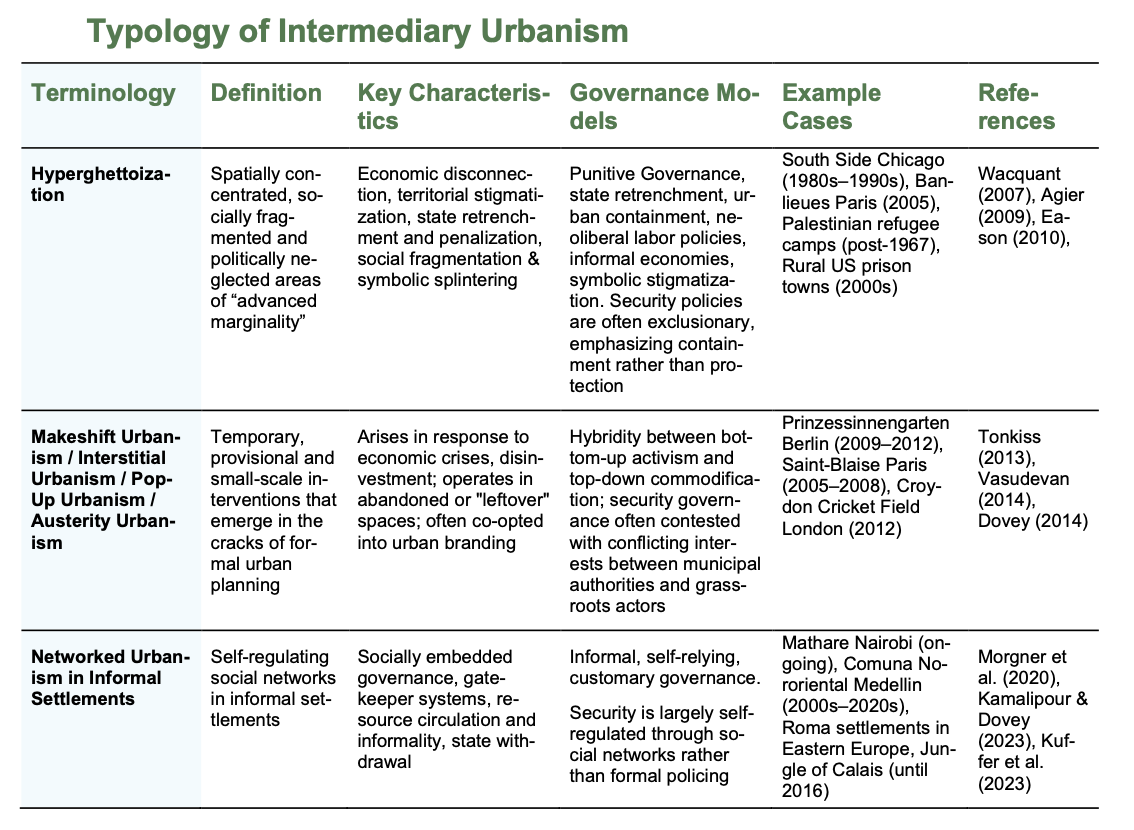
Intermediary urban spaces – temporary uses, occupations of vacant land, and informal appropriations – become increasingly relevant in urban developments across European cities. They act as flexible, adaptive nodes within the urban fabric and carry the potential to foster social innovation. Yet, their activation poses complex questions of public security. On one hand, interim spaces support safety by encouraging informal monitoring and creating social presence. On another, their temporary status, ambiguous governance and informality poses specific challenges for policing, safety and control. A set of studies available both in English and German takes stock of the relevant scholarly and practitioner knowledge. They summarize existing findings, identify lacunas and shortcomings, and chart ways ahead for the creation of a more holistic body of knowledge centering on the security politics of interim urban spaces.
Gallery: Typology of interim urban spaces (excerpt)
Betschart, Thomas; Hagmann, Jonas (2025). Safeguarding interim urban spaces: the scholarly state of the art. Basel: Kantons- und Stadtentwicklung Basel-Stadt, 29p. PDF/ URL
Betschart, Thomas; Hagmann, Jonas (2025). Safeguarding interim urban space: a review of practitioner knowledge. Basel: Kantons- und Stadtentwicklung Basel-Stadt, 24p. PDF / URL
Betschart, Thomas; Hagmann, Jonas (2025). Die Gestaltung von sicheren Zwischennutzungen: Ein Überblick der wissenschaftlichen Literatur. Basel: Kantons- und Stadtentwicklung Basel-Stadt, 32p. PDF / URL
Betschart, Thomas; Hagmann, Jonas (2025). Sichere Zwischennutzungen gestalten. Ein Überblick über das Wissen aus der Praxis. Basel: Kantons- und Stadtentwicklung Basel-Stadt, 24p. PDF / URL
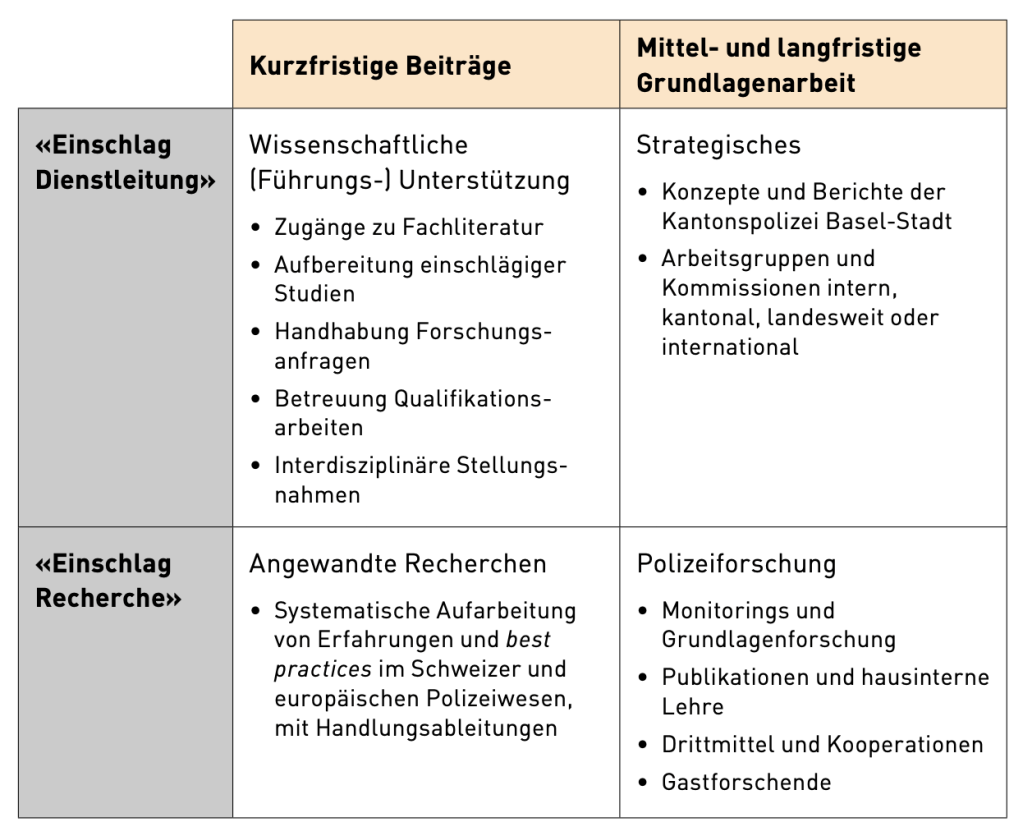
Wie kann translationale Polizeiforschung sowohl Praxis als auch Forschung und den öffentlichen Kenntnisstand über Polizei stärken? In zwei Beiträgen zum Sonderheft der Schweizerischen Kriminalprävention (SKP) wird der spezielle Rechercheansatz der Polizeiwissenschaften Basel beschrieben und anhand eines empirischen Forschungsgegenstands konkret illustriert.
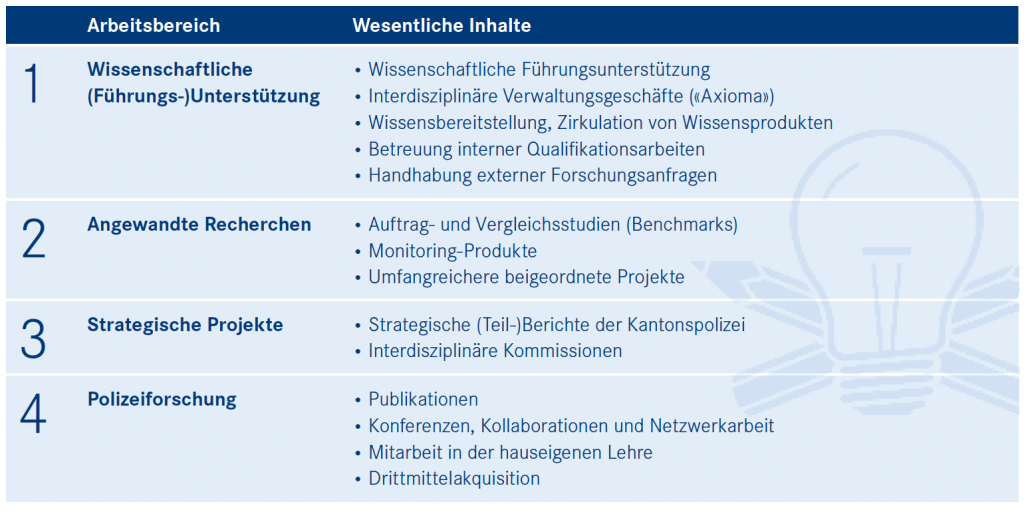
Arbeitsfelder der Abteilung Polizeiwissenschaften
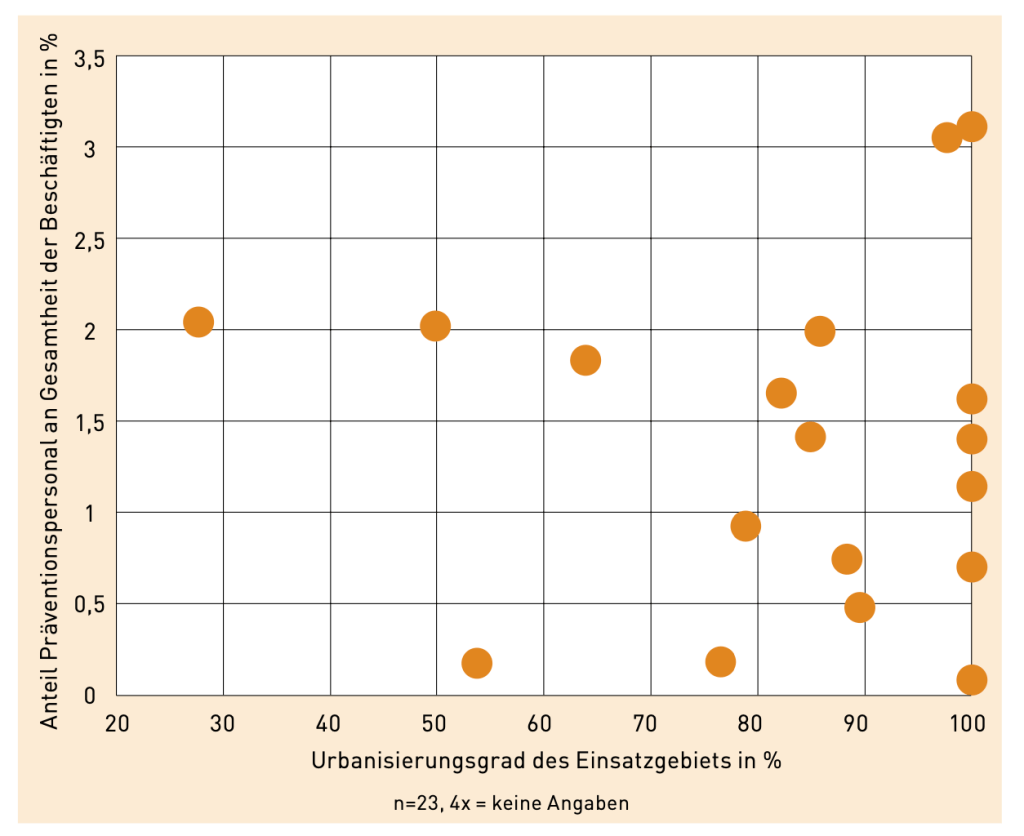
Polizeiliches Präventionswesen in Abhängigkeit der Urbanisierung
Hagmann, Jonas (2024). Wissenschaft mit, für und über Polizei: Hybride Polizeiforschung bei der Kantonspolizei Basel-Stadt. SKP Info Sonderheft Wissenschaft und Kriminalität 2/2024: 9-11. PDF DE / PDF FR / PDF IT
Grüninger, Anna; Körber, Nicolas; Hagmann, Jonas (2024). Polizeiliches Präventionswesen – quo vadis? SKP Info Sonderheft Wissenschaft und Kriminalität 2/2024: 12-14. PDF DE / PDF FR / PDF IT
Die digitale Transformation von Polizeiarbeit und das Erstarken höherer analytischer Ansprüche an Daten verändern die polizeilichen Wissens- und Handlungspraktiken. Doch wie tun sie dies genau? Basierend auf qualitativer Feldforschung in einem Schweizer Polizeikorps zeichnen Matthias Leese und ich nach, wie herkömmliche polizeiliche Rapportierungspraktiken unter dem zunehmenden Druck der differenzierten analytischen Aufbereitung polizeilicher Daten neu konfiguriert werden. Die Analyse zeigt dabei, wie Frontkräfte die neu gestellten Ansprüche an die Datengenerierung im Feld navigieren und wie die beobachteten Rapportierungspraktiken zu einer Neubewertung von Polizeiarbeit zwischen den Polen „Handwerk“ und „Wissenschaft“ führen.
Hagmann, Jonas; Leese, Matthias (2024). Vom Sachverhalt zum Datengehalt: Polizeiliche Rapportierungspraxis zwischen Einzelfall und Aggregatebene. Kriminologisches Journal 56(3): 177-194. PDF
Das Polizeiwesen ist stark gefordert und steckt inmitten grosser Umbrüche. Die Abteilung Polizeiwissenschaften hilft der Kantonspolizei Basel-Stadt und dem Schweizer Polizeiwesen, diese mit mehr Fachwissen, methodisch robusten und konzeptionell klaren Wissensprodukten besser zu meistern. Der Zeitschriftenbeitrag skizziert, wie sie dazu vier Arbeitsbereiche bedient und einen einzigartigen hybriden Arbeitsansatz verfolgt.
Zwischen Forschungs- und Stabsstelle: Die vier Aufgabenbereiche der Abteilung Polizeiwissenschaften
Hagmann, Jonas (2024). Hybride Forschung mit, für und über Polizei: Ein Blick in die Arbeit der Abteilung Polizeiwissenschaften. BasileaInfo 1/2024: 8-9. PDF
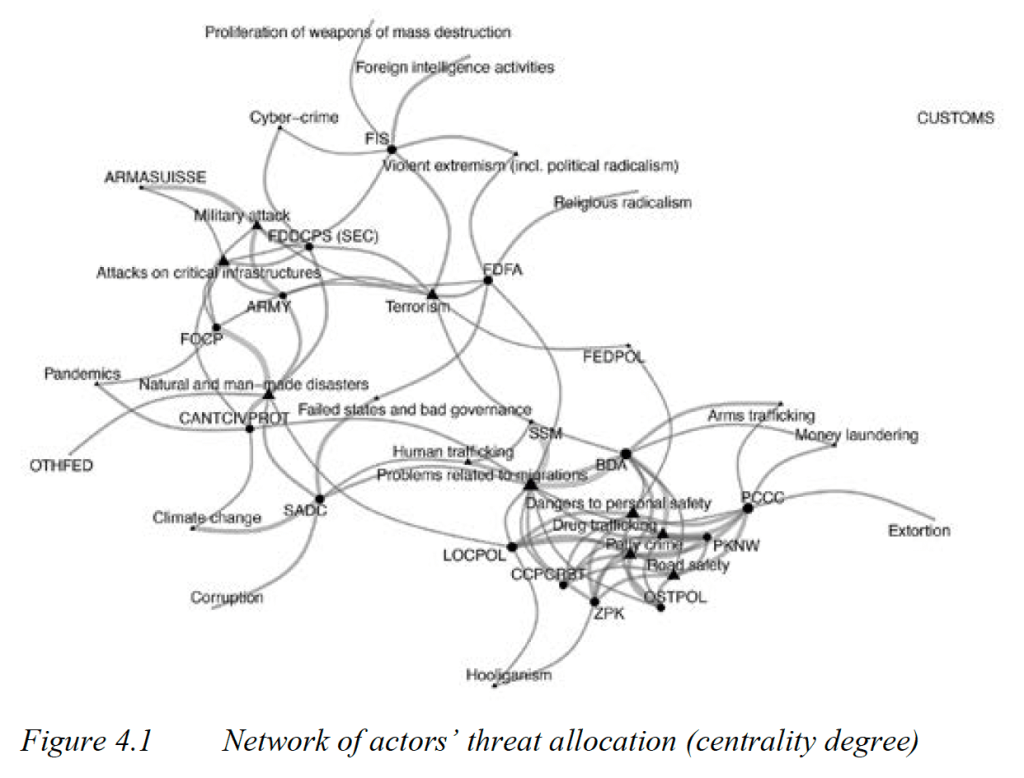
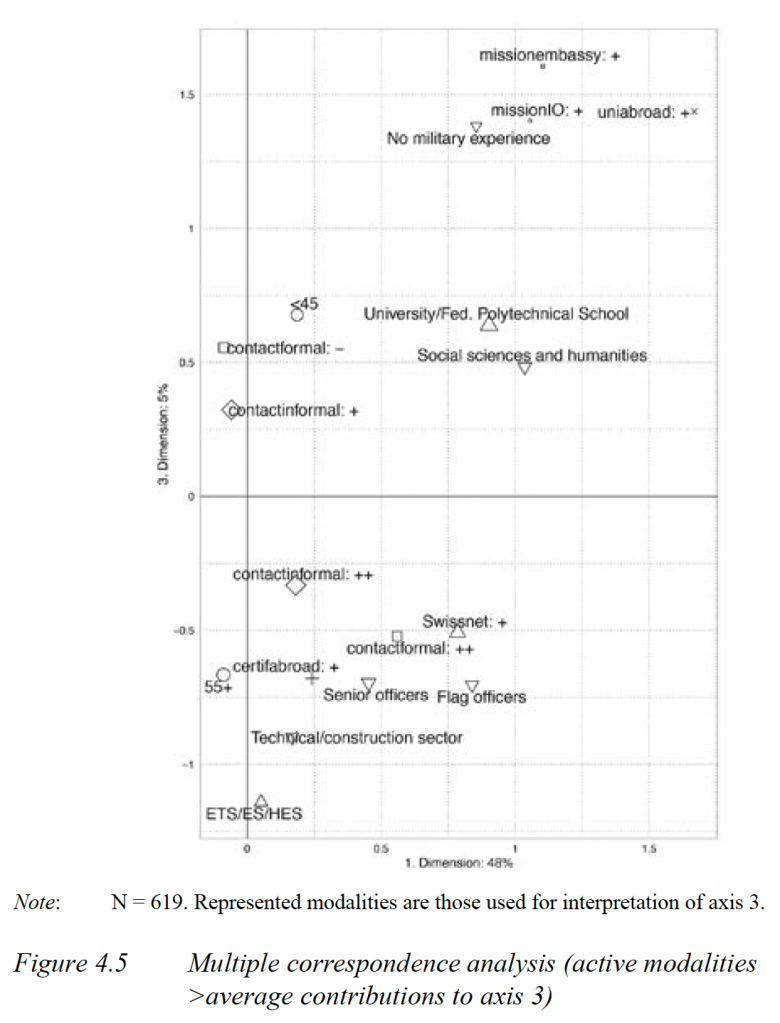
National security policy defies easy analysis. State action in the security domain is extraordinarily diverse and wide-ranging, stretching from defense and diplomacy to civil protection, public order and social security. As a result, conventional differentiations – such as between internal and external security, police and military, or public and private security production – became outdated and do not provide sufficient analytical to understand how the national security is configured and evolving. Bourdieu’s field theory is one useful way to better capture the complexity of the national security domain. In its view, the numerous specialists active in the domain form a larger professional space, whose inner workings are co-determined by positions, knowledges, individual skills and professional practices that may themselves be competing with one another. The chapter sets out this understanding and offers a deep empirical account of the Swiss national security field’s (re-)configuration in the 2010s. It shows what actors worked on what kind of security challenge(s) and in collaboration with whom, and it charts the forms of ‘capital’ (education, professional experiences, military ranks etc.) on which these practices were drawing.
Who work on what threats? The production of national security in Switzerland in the 2010s
On what forms of ‘capital’ are the practices based? Switzerland in the 2010s
Davidshofer, Stephan; Tawfik, Amal; Hagmann, Jonas (2024). Security as a field of force: the case of Switzerland in the mid-2010s. In: Dubois, Vincent (ed.). Bringing Bourdieu’s Theory of Fields to Critical Policy Analysis, pp. 74-89. Cheltenham: Edward Elgar. PDF
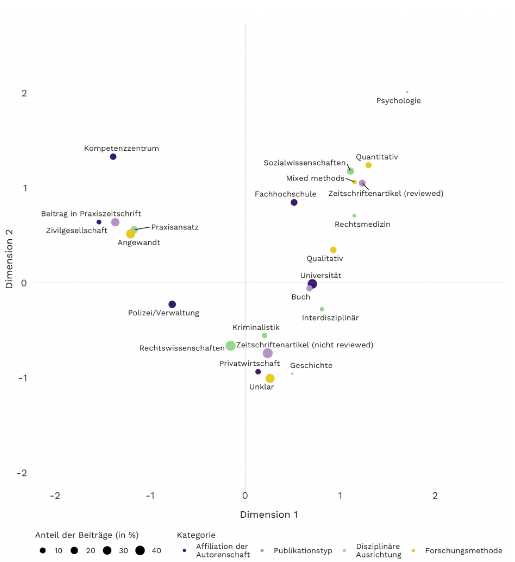
Das heute praxisgeprägte Polizeiwesen der Schweiz erfährt einen Wandel durch zunehmende Zusammenarbeit von Praxis und Wissenschaft. Eine systematische Erhebung der wissenschaftlichen Publikationen beleuchtet die Entwicklung der aufkommenden Polizeiforschung. Welche Disziplinen beteiligen sich an der Polizeiforschung, mit welchen Methoden wird geforscht und wie wird die Qualität sichergestellt? Auffallend ist die derzeit geringe Präsenz an sozialwissenschaftlichen Beiträgen.
Disziplinäre und methodische Einschläge in der Polizeiforschung im Kalenderjahr 2022
Hagmann, Jonas; Wolf, Anna (2023/2024). Wie sich Polizei und Wissenschaft nun auch in der Schweiz besser entdecken / La police prend enfin sa place dans la recherche scientifique en Suisse / How the police and academia are discovering each other in Switzerland. DeFacto. 29 November 2023/10 January 2024. PDF DE / PDF FR / PDF EN
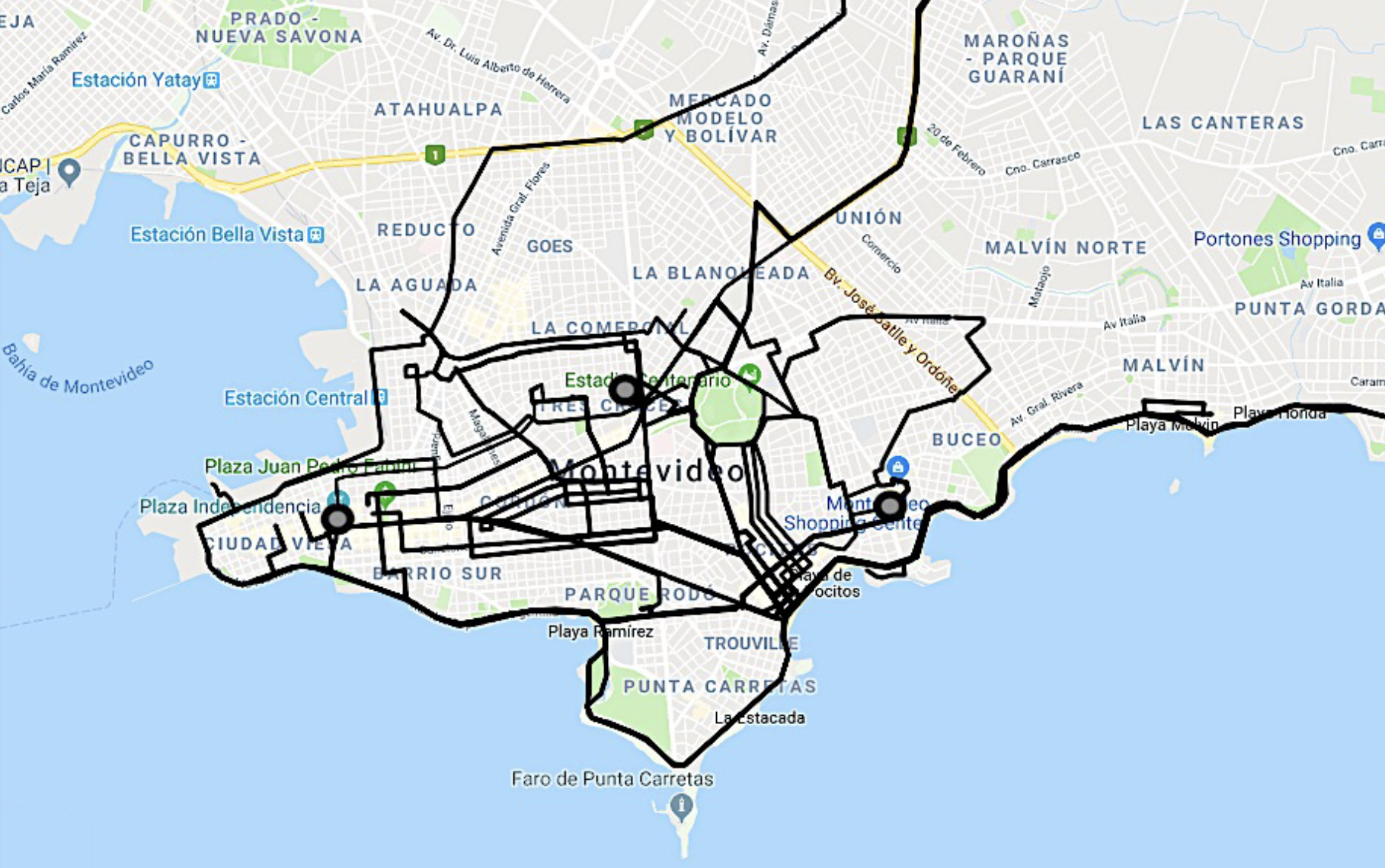
What is a city and how do we recognize and assess security dispositives in public spaces? This chapter draws on my research program and fieldwork in Switzerland, Morocco, Nepal and Uruguay. It presents ways of systematizing urban space, and discusses how research on human, digital, physical and conceptual urban control elements can be operationalized: How can we create case studies representative of an entire city? What role do interviews play and whom should we talk to to collect data? Can we retrace practices across longer periods of time? And then – how to compare findings across radically different cities/polities? Urban security practices are extraordinarily rich, deterritorialised and interdisciplinary. A critical approach to data collection and analysis allows recognizing this – and it helps to avoid reproducing simplistic and universalizing accounts of security.
Taxi-time in Montevideo: Sub-city labs, simplified research itinerary
Hagmann, Jonas (2023). Mapping urban security practices. In: Salter, Mark; Mutlu, Can; Frowd, Philippe (eds.). Research Methods in Critical Security Studies, pp145-154. London: Routledge. PDF


 :: Jonas Hagmann ::