Wer publiziert wo und wie über das Schweizer Polizeiwesen?

Das heute praxisgeprägte Polizeiwesen der Schweiz erfährt einen Wandel durch zunehmende Zusammenarbeit von Praxis und Wissenschaft. Eine systematische Erhebung der wissenschaftlichen Publikationen beleuchtet die Entwicklung der aufkommenden Polizeiforschung. Welche Disziplinen beteiligen sich an der Polizeiforschung, mit welchen Methoden wird geforscht und wie wird die Qualität sichergestellt? Auffallend ist die derzeit geringe Präsenz an sozialwissenschaftlichen Beiträgen.

Disziplinäre und methodische Einschläge in der Polizeiforschung im Kalenderjahr 2022
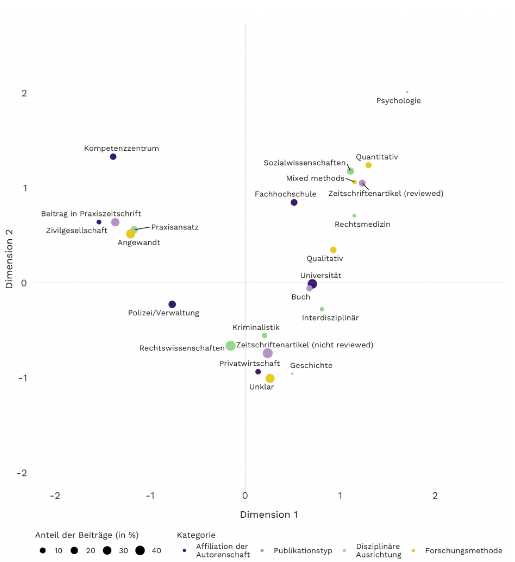
Hagmann, Jonas; Wolf, Anna (2023/2024). Wie sich Polizei und Wissenschaft nun auch in der Schweiz besser entdecken / La police prend enfin sa place dans la recherche scientifique en Suisse / How the police and academia are discovering each other in Switzerland. DeFacto. 29 November 2023/10 January 2024. PDF DE / PDF FR / PDF EN
How to map international urban security practices? (new chapter)

What is a city and how do we recognize and assess security dispositives in public spaces? This chapter draws on my research program and fieldwork in Switzerland, Morocco, Nepal and Uruguay. It presents ways of systematizing urban space, and discusses how research on human, digital, physical and conceptual urban control elements can be operationalized: How can we create case studies representative of an entire city? What role do interviews play and whom should we talk to to collect data? Can we retrace practices across longer periods of time? And then – how to compare findings across radically different cities/polities? Urban security practices are extraordinarily rich, deterritorialised and interdisciplinary. A critical approach to data collection and analysis allows recognizing this – and it helps to avoid reproducing simplistic and universalizing accounts of security.

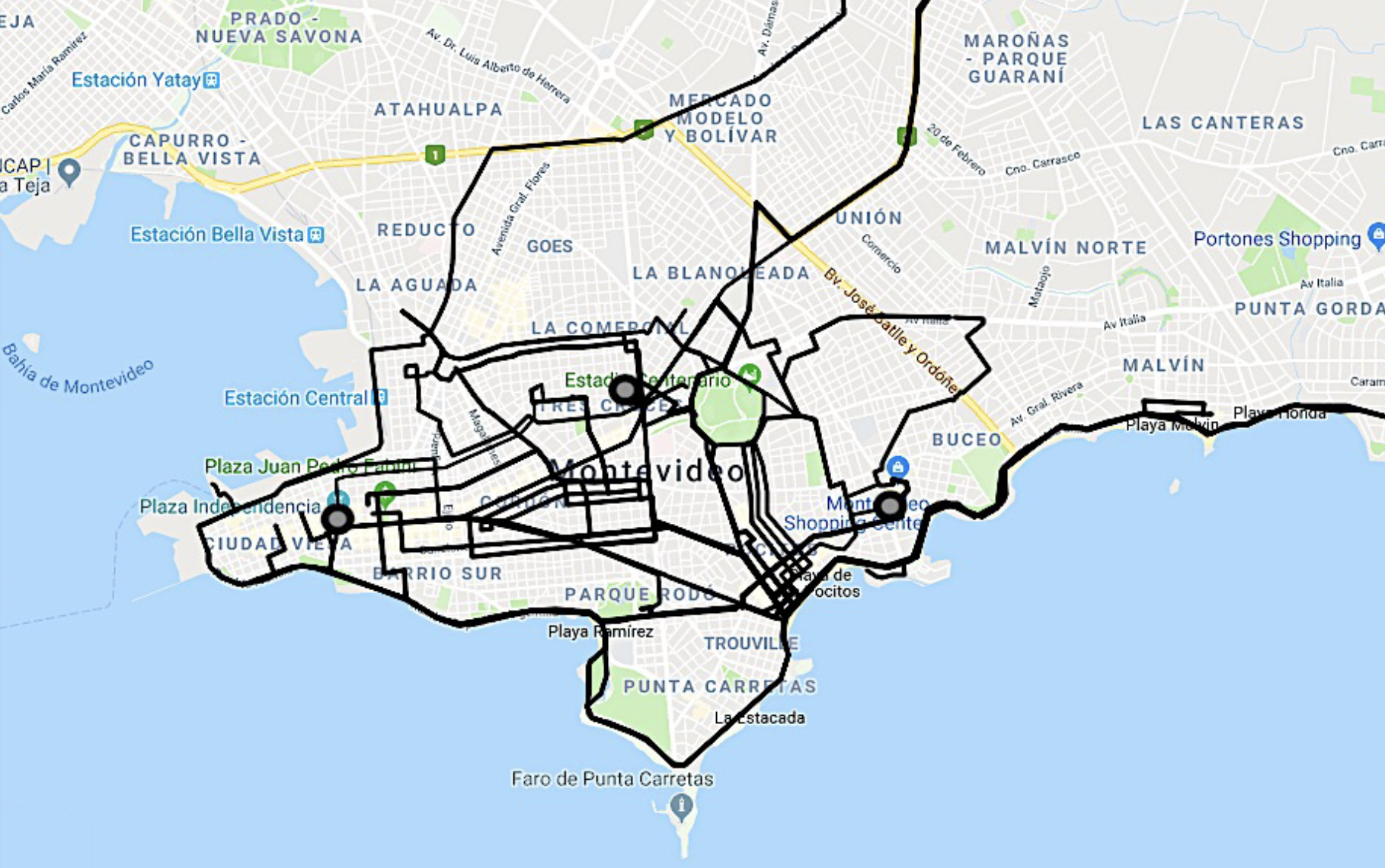
Taxi-time in Montevideo: Sub-city labs, simplified research itinerary

Taxi-time in Montevideo

Hagmann, Jonas (2023). Mapping urban security practices. In: Salter, Mark; Mutlu, Can; Frowd, Philippe (eds.). Research Methods in Critical Security Studies, pp145-154. London: Routledge. PDF

Urban design as (counter-) democratic security politics (new article in SPSR)

SPSRUrban design is increasingly widely used for city-oriented security production, and thus becomes included into the latter’s complex politics of in- and exclusion. This contribution showcases how urban design becomes deployed as a technology of security both internationally and in Switzerland, and how a reflexive security studies perspective on this use offers productive new research avenues. This is because the focus on urban design allows asking in new ways whether ‘more security is better’, how technological interventions are used and appropriated, and how they reconfigure democratic processes. Security research drawing on reflexive IR and security studies is well placed to this endeavour, as it proposes integrative and dialectical analyses of how built environments may be empowering/disempowering and inclusive/exclusive. The contribution sets out the specificities of this research ontology, presents urban design’s operation as technology of security politics, and illustrates said link in two mini-case studies centring in Bogotá and Zürich. In line with the special section to which it contributes, the article seeks to familiarize readers with architecture-oriented political analysis, and to draw out main lines of further investigation.
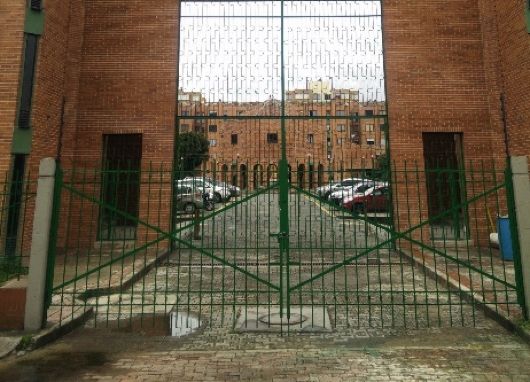
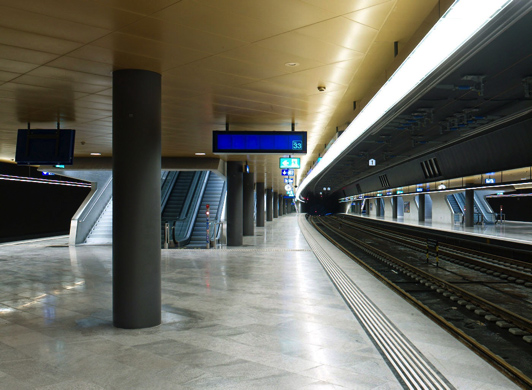
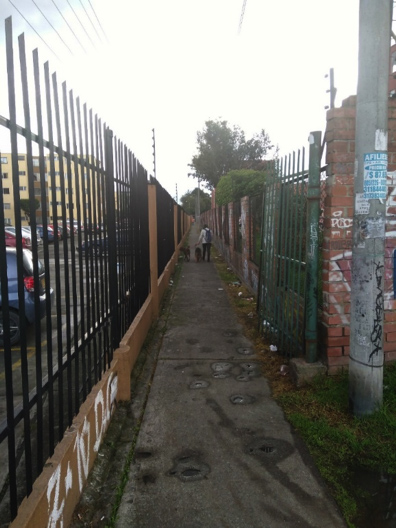
Hagmann, Jonas; Kostenwein, David (2021). Urban design as technology of (counter-) democratic security politics. Swiss Political Science Review 27(1): 193-204. PDF

The politics of technology and security in Switzerland (new SPSR special section)

SPSRNew technologies – from nanotech to drones, bioengineering and smart weapons – play prominent but also highly ambivalent roles in contemporary accounts of security politics. For some, the innovations represent potent solution to complex management problems. But for others, the new technologies themselves are causing the most pressing societal dangers of today. This dominant Manichean framing of technology yet distracts from the fact that technology has no deterministic effects in and of itself. In a reflexive security studies perspective, the shape, design and uses of ‘new tech’ is deeply enmeshed in shifting power-laden social and political practices, and thus much more contradictory and dynamic. This new special section focuses on these complex processes of making new technology meaningful – and operational – in the security field. Its seven contributions look at how cybersecurity, predictive policing, drones, artificial intelligence, targeted sanctions and urban design are enlisted as technologies of security in Switzerland, and they offer a range of dedicated analytical arguments about how this process evolves. The ambition of the special section is to introduce readers not commonly engaing with security technology with state-of-the-art conception of their political significance, and to showcase contributions of reflexive IR and security research to political analysis.

Dunn Cavelty, Myriam; Hagmann, Jonas (2021). The politics of technology and security in Switzerland. Swiss Political Science Review 27(1): 128-138. PDF

With contributions by Florian Egloff, Myriam Dunn Cavelty, Matthias Leese, Francisco Klauser, Andreas Wenger, Sophie-Charlotte Fischer, Mark Daniel Jäger, Jonas Hagmann, David Kostenwein and Anna Leander.

Securing the city – Wie funktioniert urbane Sicherheit in anderen Städten?

Urbane Sicherheitsgouvernanz wird stark von lokalen Gegebenheiten gesteuert. Wie demokratisch und rechenschaftspflichtig ist das Politikumfeld? Welche Gefährdungen werden als primäre Herausforderungen anerkannt? Welchen Typ Technologie kann und mag eingesetzt werden? Und was ist die Rollenverteilung zwischen Staat, Privatwirtschaft und Zivilgesellschaft? An der Jahreskonferenz der Städtischen Sicherheitsdirektorinnen und -direktoren (KSSD) der Schweiz in Bern leuchte ich die Diversität der Ansätze aus, mit dem Ziel die Reflexion über Ist- und Ideal-Zustände voranzutreiben.


Hagmann, Jonas (2020). Securing the City. Jahreskongress der Städtischen Sicherheitsdirektorinnen und -direktoren. Bern: Kursaal. PPT automatisierte Endlosschleife

ETH Zürich social media news stream on Ambizione research in Kathmandu

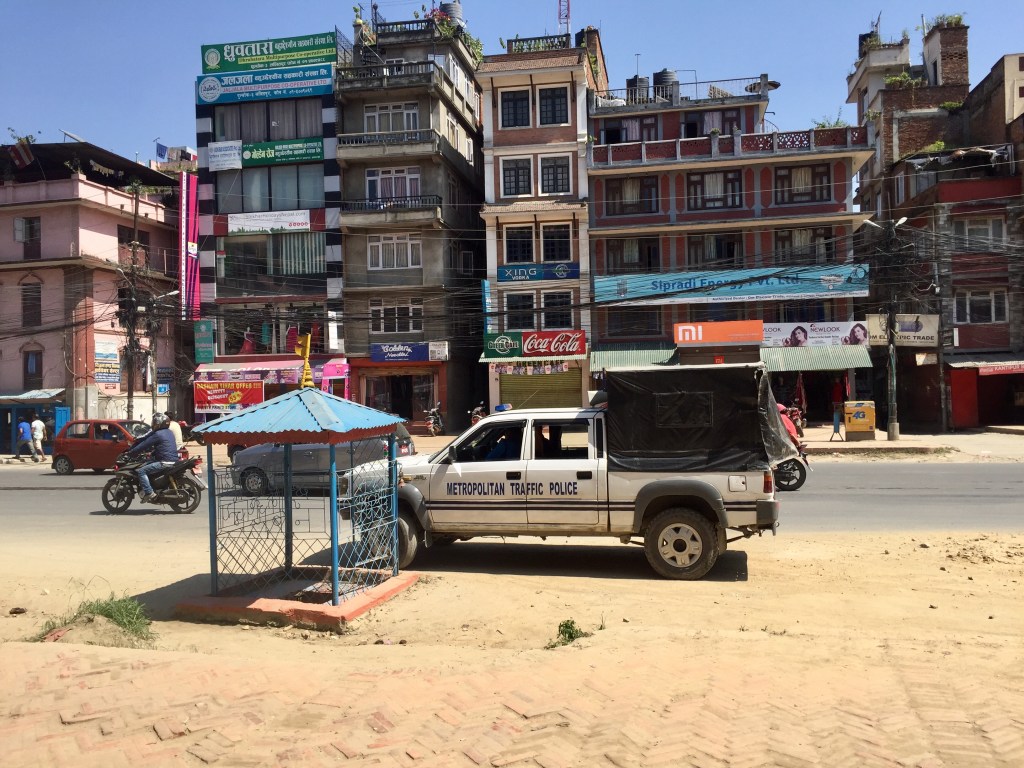
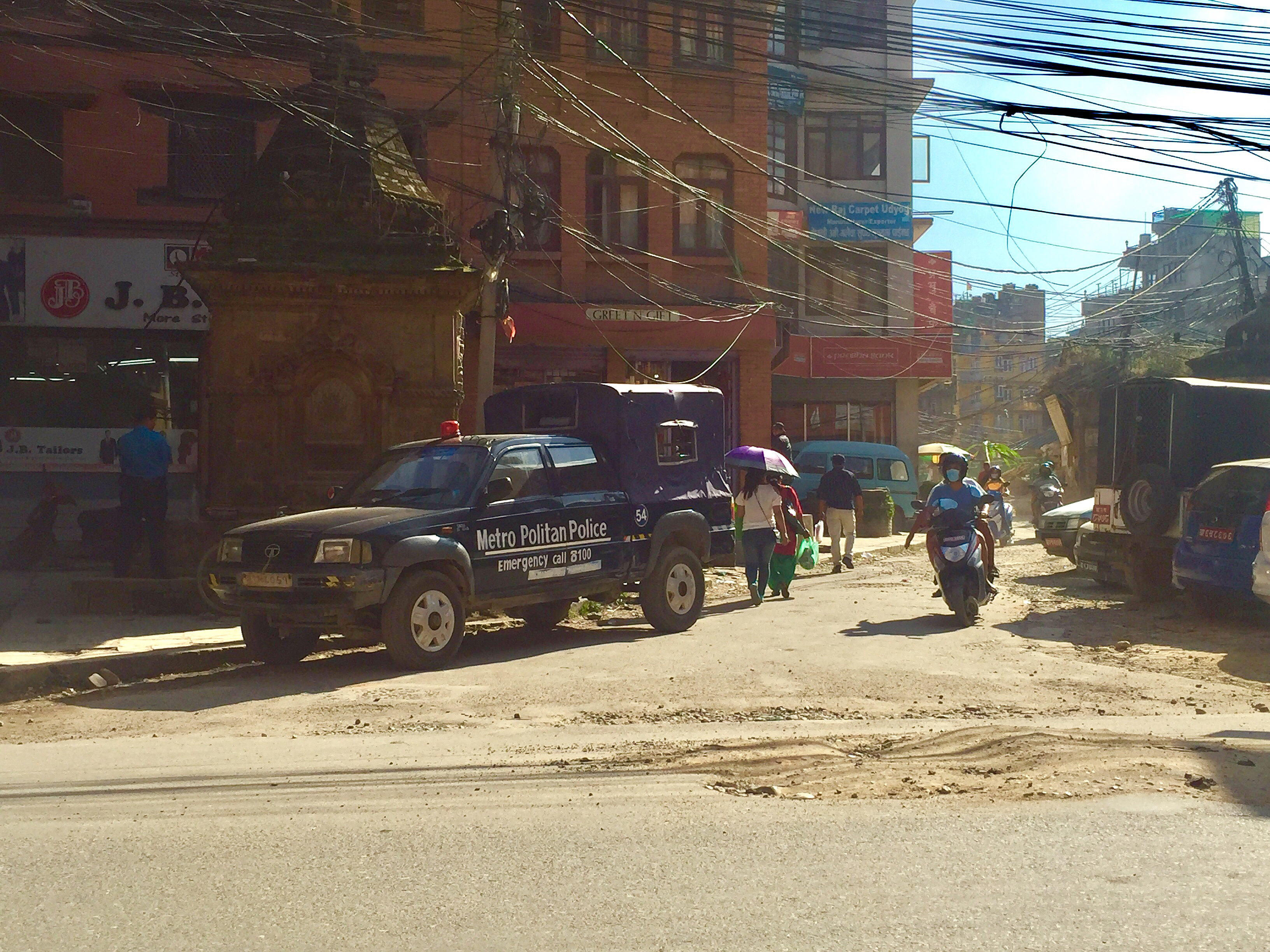
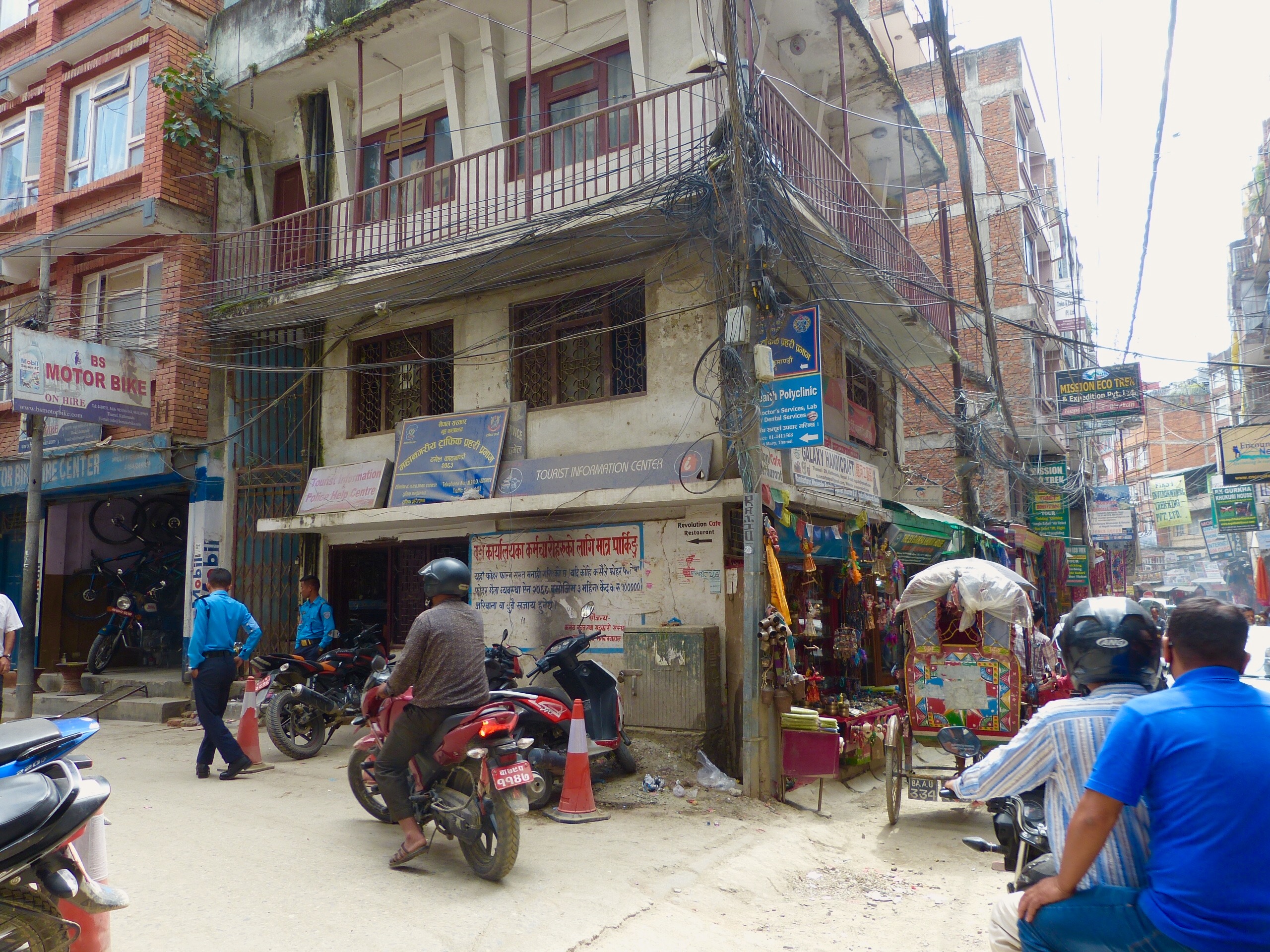
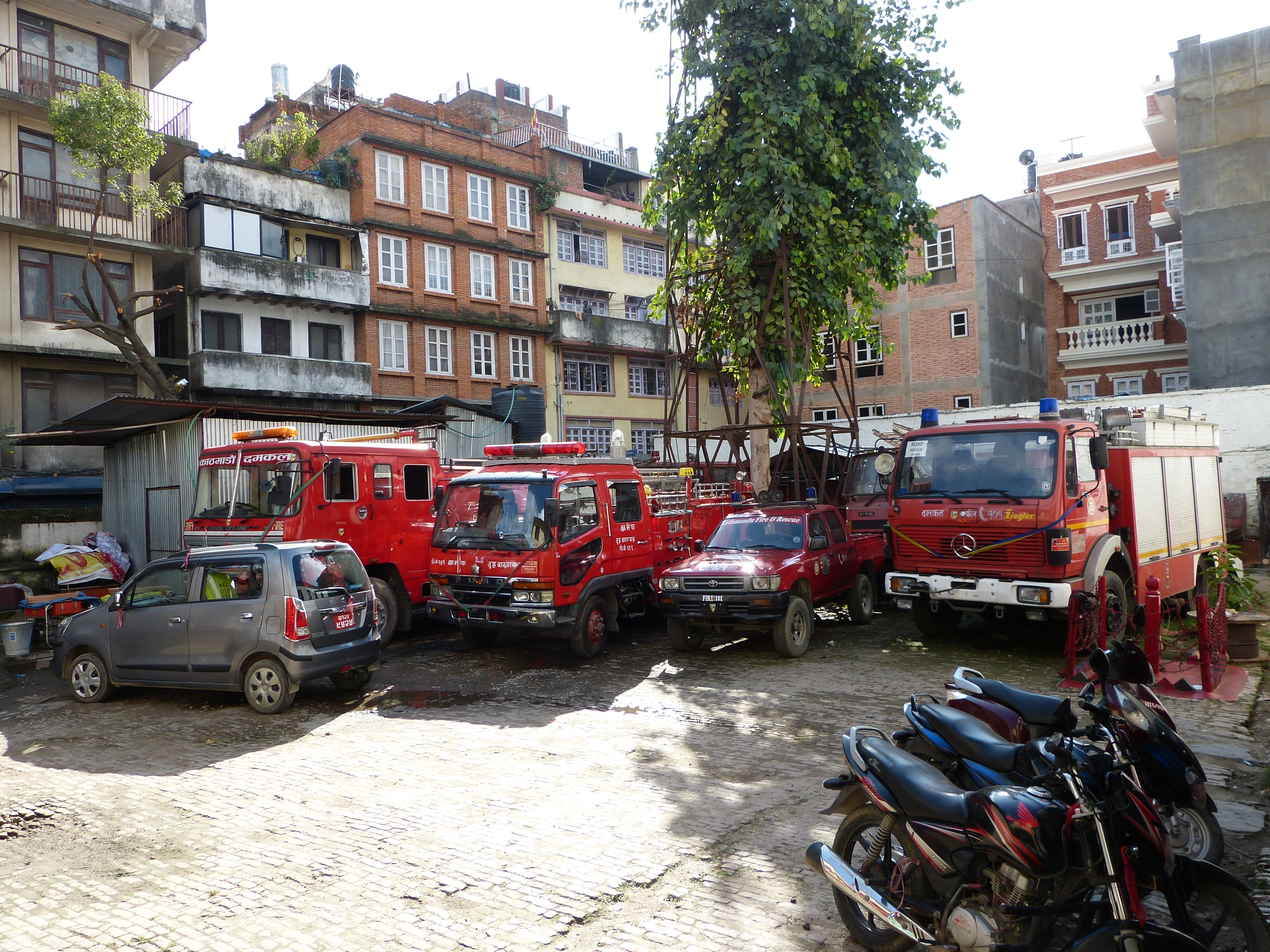
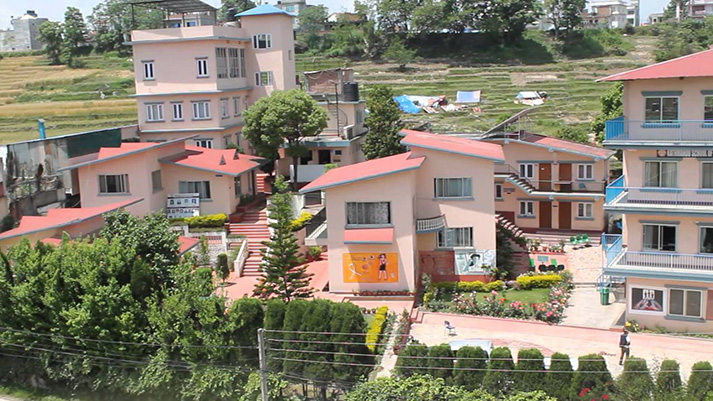
ETH Zürich covers my ongoing fieldwork on urban security management in Kathmandu, Nepal, in a social media news stream. For more information and audio-visual material see ETH ISTP’s homepage, facebook or twitter account.

ISTP urban security research KTM

Urban police unit, Metro Kathmandu

Citizen interview, Old Bus Park

Thamel police information postThamel Police Station

Juddah Fire Brigade KTMJuddha Barun Yantra Karyalaya (Kathmandu’s only fire station)
IPS article on the politics and practices of securing urban spaces

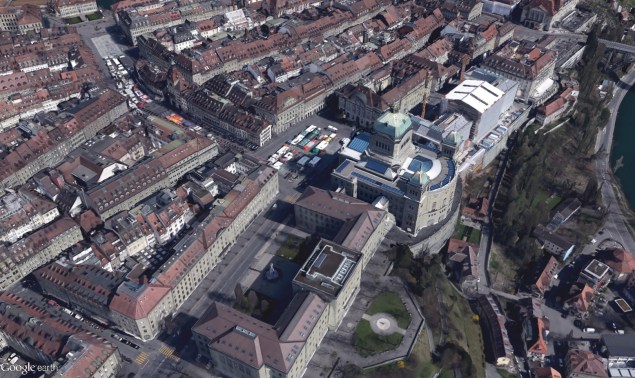
There is much agreement that urban security dispositives acquired new qualities in recent years. But do the dominant diagnoses hold up to detailed empirical verification? This forthcoming piece in International Political Sociology re-engages the pertinent security studies literature. In the age of globalisation and urbanisation, technological innovation and liberal policy ideals, how are urban security apparatuses reorganised, and in what relations do they stand to local societal and political orders? Describing the evolving security handling of three urban spaces – a site of mobility (HB Zürich), a public square (Bundesplatz Bern) and a place of mass commerce (St. Jakob Park Basel) –, the article makes the case for more nuanced engagements with urban security ensembles, their technological evolution, relations with democratic ideals, globalisation and de-territorialisation both in and beyond Western polities.

Securing public space in Switzerland – Bundesplatz Bern     Bundesplatz.jpg

Hagmann, Jonas (forthcoming). Security in the society of control: The politics and practices of securing urban spaces. International Political Sociology. PDF

Research stay at Kathmandu School of Law in fall 2017

From 1 September 2017 – 30 November 2017, I will be a Visiting Faculty at the Kathmandu School of Law’s Research Department . The research stay serves to connect to local urban and security studies specialists, and to conduct field research on the reconfiguration of urban security management in different sub-city laboratories, the Gongabu New Bus Park, the Basantapur Durbar Square, Thamel, and the Lajimpat residential area.

KLS

Research stay at Faculté des Sciences Juridiques, Economiques et Sociales, Université de Marrakech

From 1 November 2016 – 30 January 2017, I will be a Visiting Scholar at the Groupe de Recherche sur la Stratégie et la Sécurité, Faculté des Sciences Juridiques, Economiques et Sociales, Université de Marrakech. The research stay serves to connect to local urban and security studies specialists, and to conduct field research on the reconfiguration of urban security management in different sub-city laboratories, the Souks des Ferblantiers, the Place Djemaa el-Fna, the Gare Routière, and the Quartier de Guéliz.