Formally sanctioned interim uses have become increasingly popular in European cities. They have also become linked more closely to debates on (in-)security, however, giving rise to specialized scholarly and practitioner literatures on that linkage. In this journal article, Thomas Betschart and I map out and then critically interrogate the directions of this emergent knowledge base. We situate the literatures and ponder the clarity with which they define their core concepts, i.e., ‘security’ and ‘interim space’. We then reflect on the ways the literatures apprehend the governance of such spaces, and on the impact of temporality and termination on the security politics of such places. In the article, we argue that the emergent knowledge base highlights an increasingly popular phenomenon—but also that its conceptual precision requires further sharpening still, and that it ought to be developed into a considerably more holistic, empirical and critical perspective more generally.

Thomas Betschart; Jonas Hagmann (2026). Interim urban uses and the politics of safety: Interrogating the emergent scholarly and practitioner knowledge base. Urban Studies. OnlineFirst. PDF
 How do urban security assemblages evolve? Scholars inspired by Deleuze’s influential Control Thesis see profound shifts in the ways urban security operates. Different to Foucault’s disciplinary logics, they argue, urban security assemblages now rely intimately on expanding casts of policing agents, digital surveillance and statistical knowledge(s). They reach beyond enclosures and national borders, and they challenge democratic politics ever more forcefully. Whether this general trajectory of security management holds true across the global cityscape is yet far from evident. Not only do most studies of contemporary control draw conclusions from European and North American cities exclusively. Many also reproduce and project abroad distinctively Eurocentric assumptions about state-society relations, governance and insecurity. This upcoming new article in Journal of Global Security Studies first foregrounds and problematizes these penchants. It then looks at the Moroccan city of Marrakech to detail how urban security assemblages may evolve in different ways, at other speeds, and following different steering logics than what is generally set out by research on control. The article concludes with a discussion of how insights offered by places such as Marrakech contribute to more robust, analytically refined and globally inclusive research on the contemporary politics of urban security.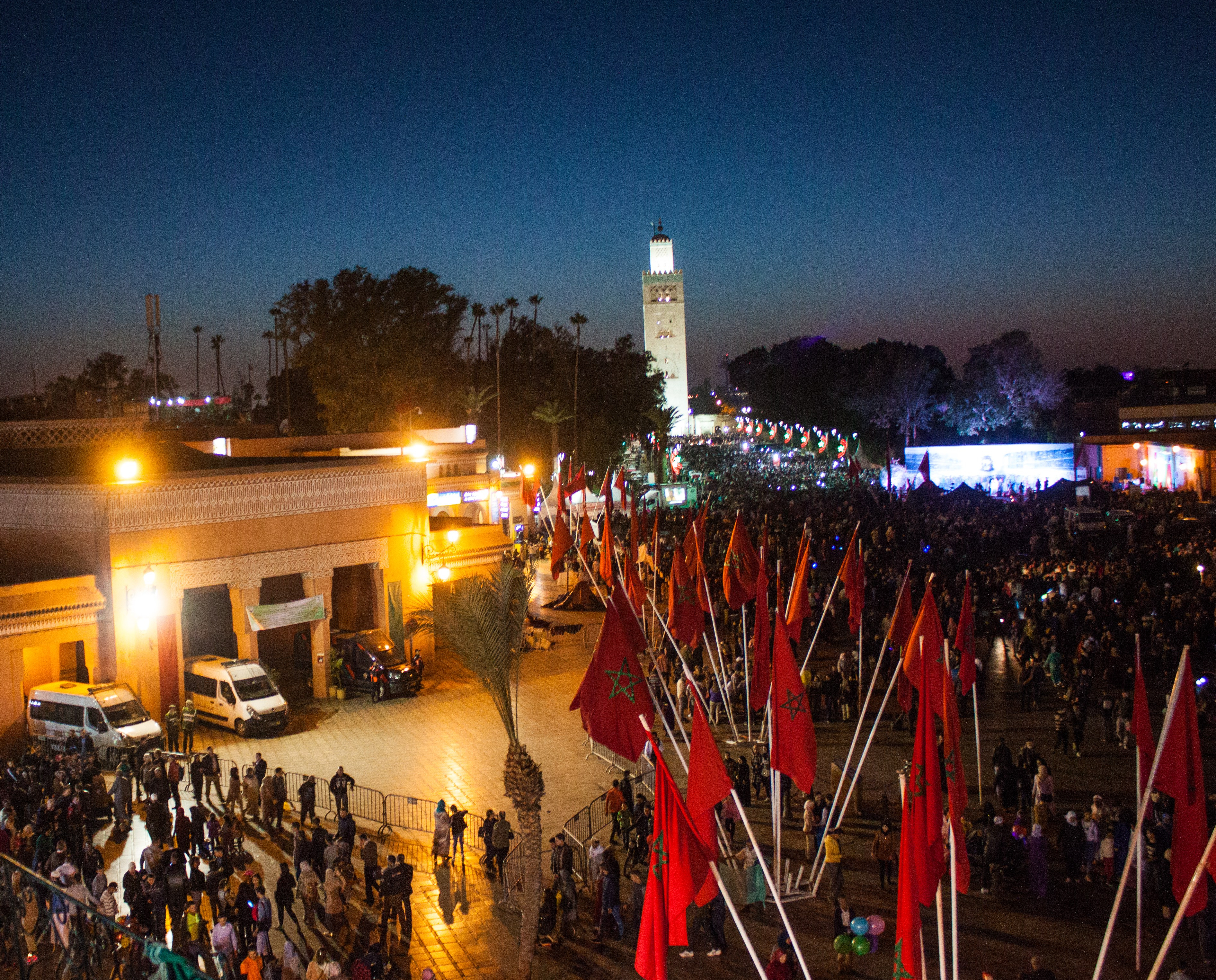

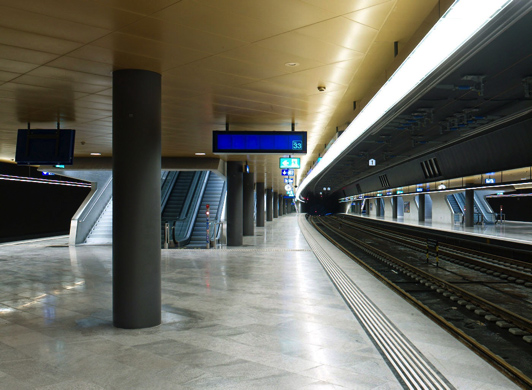
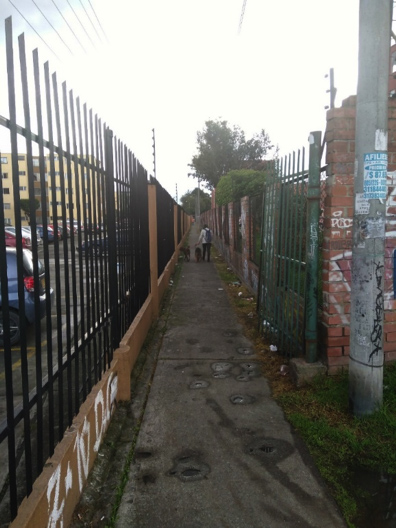
 Urban design is increasingly widely used for city-oriented security production, and thus becomes included into the latter’s complex politics of in- and exclusion. This contribution showcases how urban design becomes deployed as a technology of security both internationally and in Switzerland, and how a reflexive security studies perspective on this use offers productive new research avenues. This is because the focus on urban design allows asking in new ways whether ‘more security is better’, how technological interventions are used and appropriated, and how they reconfigure democratic processes. Security research drawing on reflexive IR and security studies is well placed to this endeavour, as it proposes integrative and dialectical analyses of how built environments may be empowering/disempowering and inclusive/exclusive. The contribution sets out the specificities of this research ontology, presents urban design’s operation as technology of security politics, and illustrates said link in two mini-case studies centring in Bogotá and Zürich. In line with the special section to which it contributes, the article seeks to familiarize readers with architecture-oriented political analysis, and to draw out main lines of further investigation.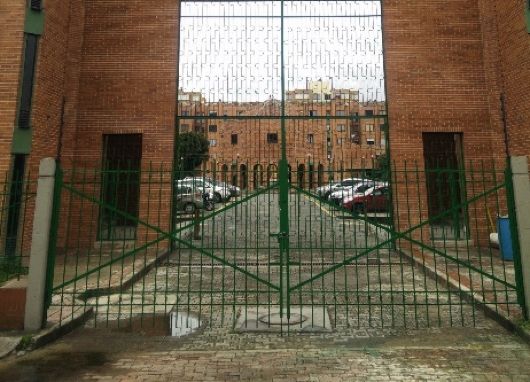








 :: Jonas Hagmann ::