How can we improve urban governance through youth inclusion? Are the existing participatory approaches indeed working? And how could technology be leveraged for better outcomes?
Fondation Botnar launches a unique and powerful call for proposals for critical and comparative research on urban governance.
Deadline for pre-proposals: 31 August 2022
Deadline for full proposals: 25 November 2022
Today, more than half of the world’s population live in urban settings. By 2050, that figure is expected to rise even further, to 6.5 billion people, with the vast majority being young people. Even by 2030, an estimated 60% of urban populations will be under the age of 18. It is therefore young people who are, and will be continuing to, drive the future of our cities.
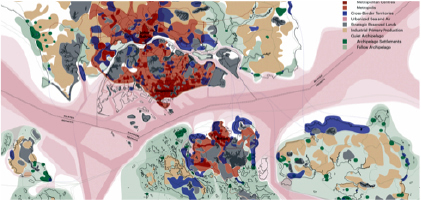
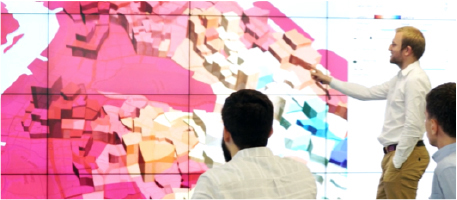
This rapid urbanisation goes hand in hand with another global trend: the fast-growing spread of data-driven, digital technologies that are being used to improve the administration and governance of cities. These digital urban infrastructures can facilitate inclusive, democratic, and participatory decision-making, but they can also have the opposite effect. They can be used to surveil, monitor, and “datafy” people in public spaces, thereby potentially endangering rights. Therefore, we need to better understand how data-driven and digital technologies can support or threaten young people’s health, wellbeing, and livelihoods.
Responding to this need, and to ensure cities ethically and equitably deploy data-driven and digital technologies to give young people a greater say, Fondation Botnar is inviting applicants to submit research proposals as part of a new interdisciplinary research program: ‘Technology and youth participation in governing intermediary cities in LMICs’ (TYPCities). The program will run for three years (2023-2026).
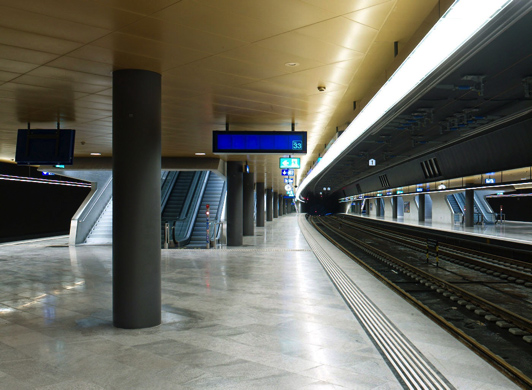
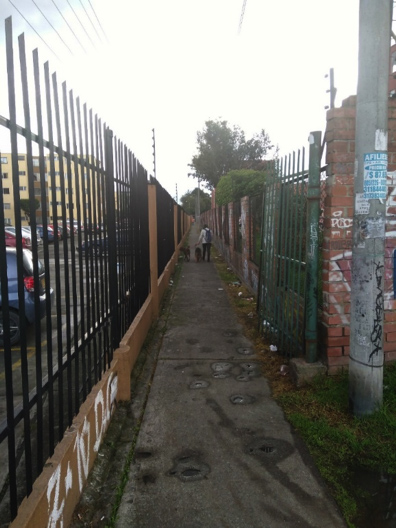
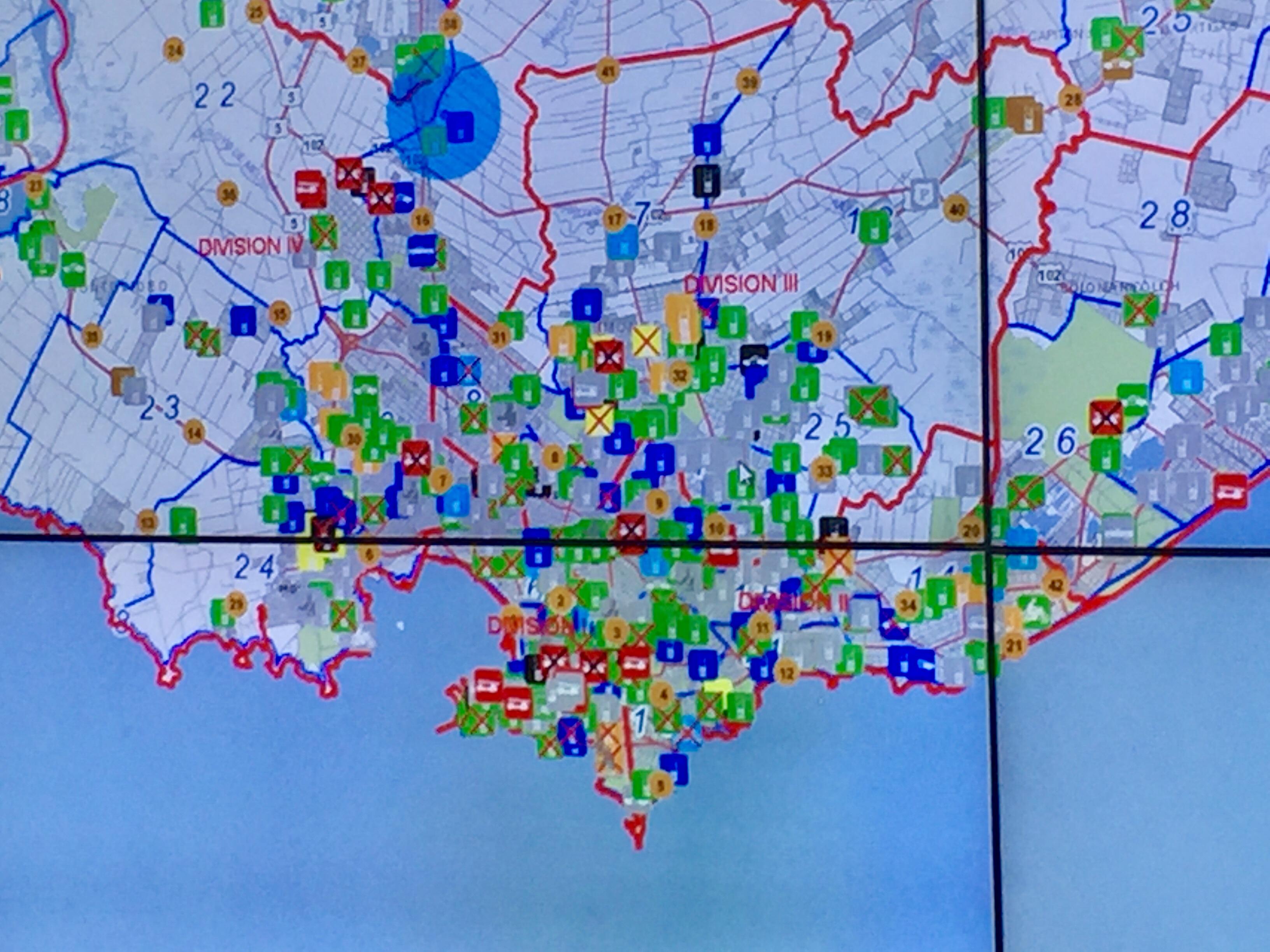
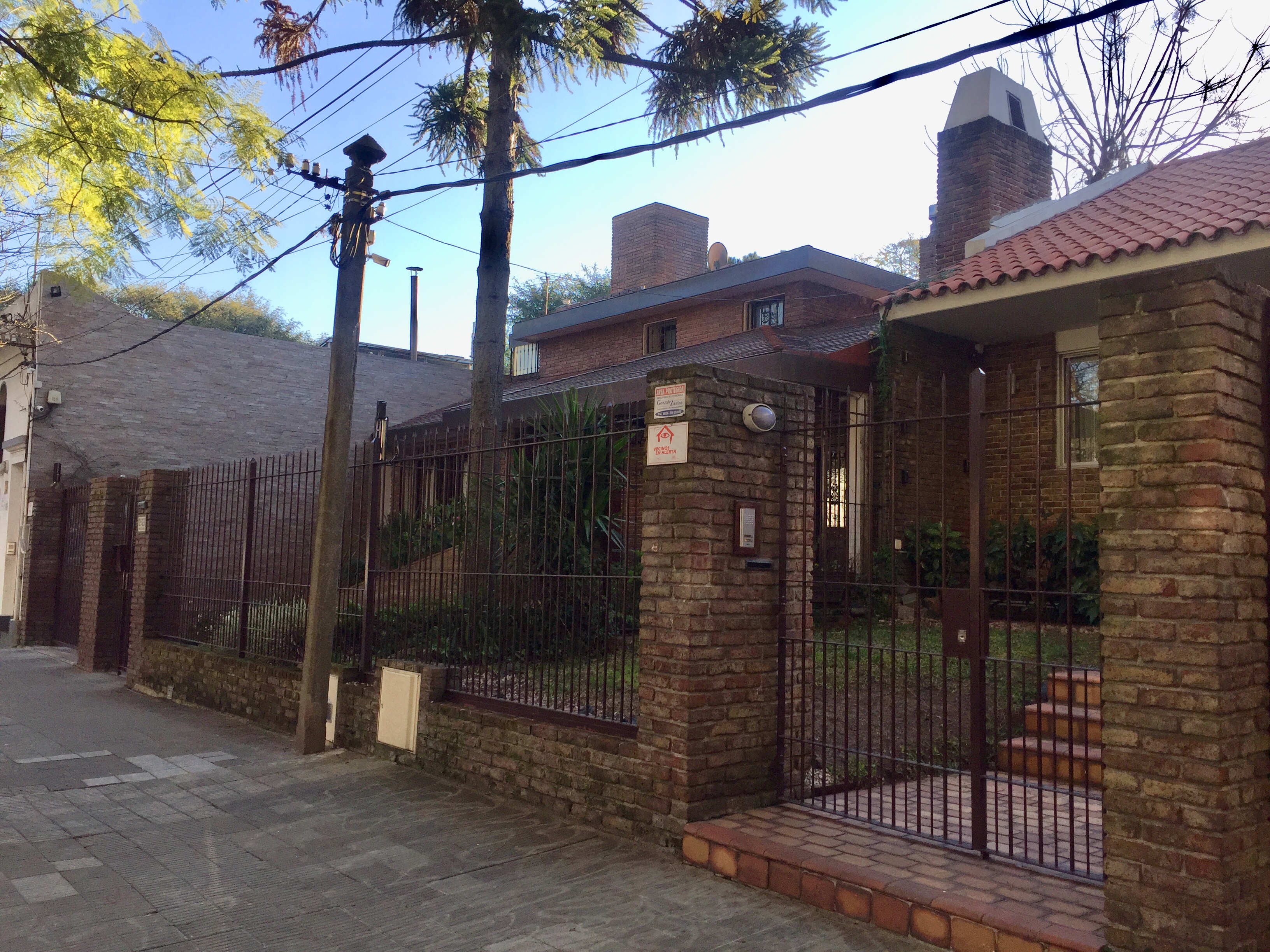
 Urban design is increasingly widely used for city-oriented security production, and thus becomes included into the latter’s complex politics of in- and exclusion. This contribution showcases how urban design becomes deployed as a technology of security both internationally and in Switzerland, and how a reflexive security studies perspective on this use offers productive new research avenues. This is because the focus on urban design allows asking in new ways whether ‘more security is better’, how technological interventions are used and appropriated, and how they reconfigure democratic processes. Security research drawing on reflexive IR and security studies is well placed to this endeavour, as it proposes integrative and dialectical analyses of how built environments may be empowering/disempowering and inclusive/exclusive. The contribution sets out the specificities of this research ontology, presents urban design’s operation as technology of security politics, and illustrates said link in two mini-case studies centring in Bogotá and Zürich. In line with the special section to which it contributes, the article seeks to familiarize readers with architecture-oriented political analysis, and to draw out main lines of further investigation.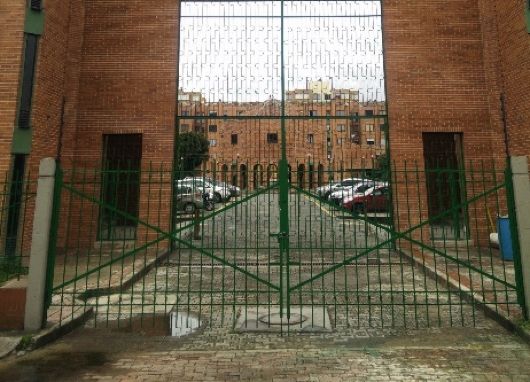


 :: Jonas Hagmann ::